HIGHCLUB JOURNAL · THE CULTURE OF SHARING
Fashion Renting: Why Buy One Bag When You Could Wear Ten?
Style moves on. Your wardrobe can move with it. A shift from ownership to access opens up new looks—and new possibilities for the pieces you already own.
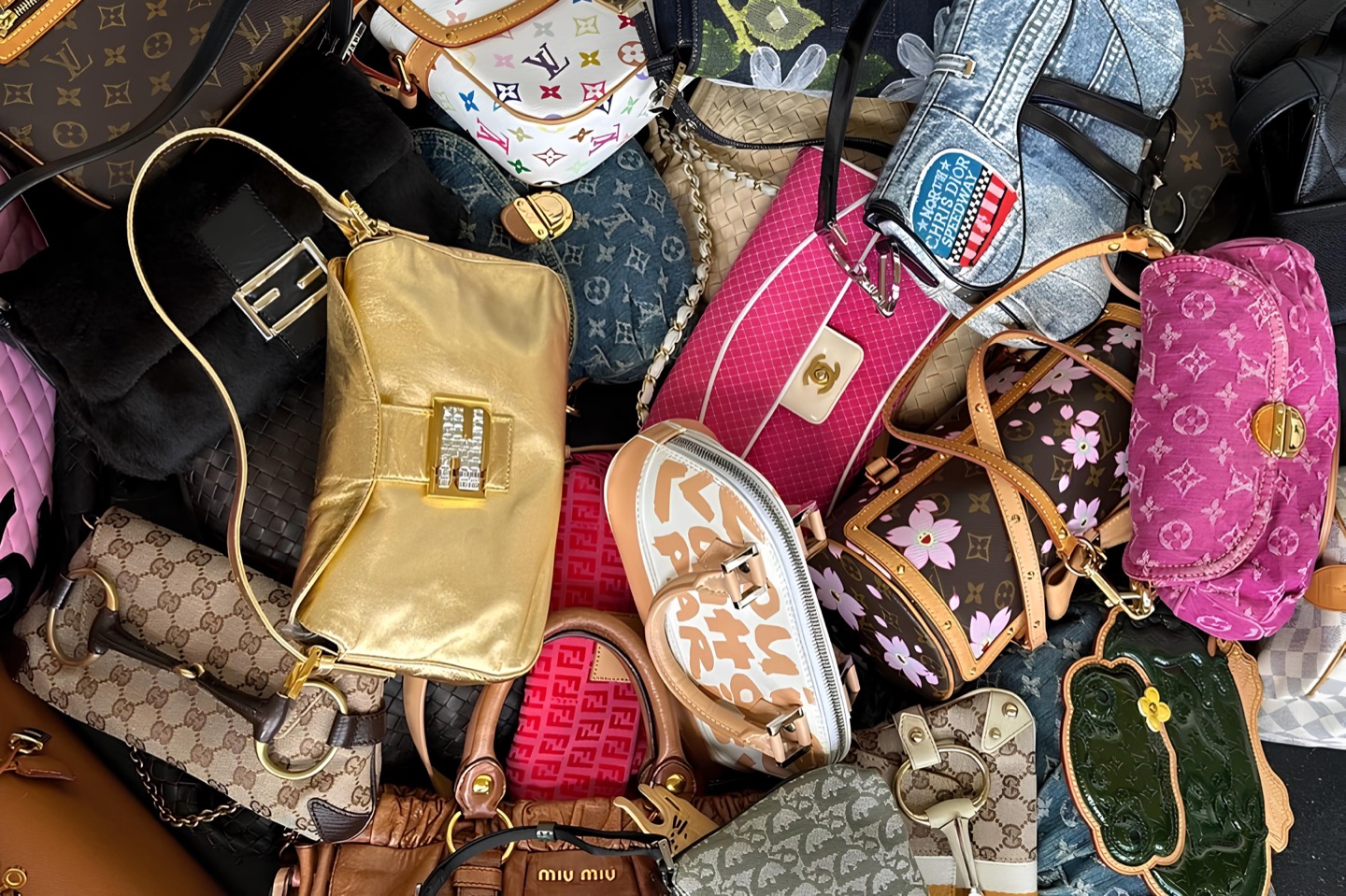
A change of perspective
A full wardrobe. A familiar feeling.
There is a difference between owning something and making it part of your life. The special-occasion dress, the bag waiting for the right evening: our wardrobes hold possibilities as well as possessions.
not worn for at least a year
Unworn in the past year: wardrobe 26% · dresses 43% · skirts 44% (UK, WRAP 2022).
Source: WRAP · UK, 2022
More clothes. Fewer wears.
The question is not only what we buy next. It is how much life we give to what already exists. A global shift in clothing use shows why that question matters.
less, between 2000 and 2015
One bag. Or ten ways to dress.
Buying creates a lasting relationship with a piece. Renting creates room to explore: a different shape for a wedding, a different colour for a dinner, a style you have never tried. The benefit is choice, not a promise that every rental costs less.
One bag. Yours.
Potentially, a different bag each week.
Ten is a way to explore this idea—not a bundle, subscription or guarantee of ten available bags.
Your wardrobe can earn its next chapter.
You do not have to sell a piece to let someone else enjoy it. Sharing can generate rental income while you keep ownership. The outcome depends on the requests you receive and the rentals you complete.
A SIMULATION, NOT A FORECAST
Item value does not set the rental price. Adjust the price to explore an example.
Owner proceeds after platform commission
- Base rental total
- €300.09
- Owner commission
- €30.00
- Reference item value
- €1,000.00
Existing pricing: 10% owner commission, minimum €0.99 per rental. Each week is a separate seven-day rental; the existing daily rounding applies. Proceeds are before other costs and taxes; cleaning compensation, promotions and refunds are excluded. No demand or income is guaranteed. Final terms are shown in the app.
Wear. Share. Repeat.
Sharing creates successive occasions for the same object to be used. It is a different rhythm: an evening with one person, a celebration with another, then back to its owner.
12 → 117
A 2025 study in Scientific Reports reports modelled lifetime use for formal dresses: 12 wears when purchased versus 117 when rented, based on its analysed survey scenario.
Research context: Japan. These values concern formal dresses and that study’s assumptions. They are not measurements or projections for HighClub bags.
More use. A more thoughtful choice.
Two different findings help explain the opportunity: how many new textiles we consume, and why keeping clothes in use for longer can matter.
HOW MUCH WE CONSUME
19 kg
of new textiles per person, per year
A year’s textile consumption in the EU
The EEA estimates an average of 19 kg per EU resident in 2022. This includes clothing, household textiles and footwear.
- Clothing
- 8 kg
- Home textiles
- 7 kg
- Footwear
- 4 kg
An estimate of new textile consumption, calculated from production and trade data. It is not the weight of textile waste or CO₂ emissions.
HOW LONG WE USE OUR CLOTHES
+9 months
of use, added to clothing’s average lifespan
Keep clothes in use for longer
WRAP’s UK clothing research estimates that extending the average lifespan by nine months could reduce the related carbon, water and waste footprints by up to 20%.
The idea: use what already exists for longer, reducing the need to replace it with something new.
A research estimate about clothing. It is not a guaranteed saving from renting, or a measured HighClub result.
More rentals alone do not prove a lower environmental impact. Actual results also depend on new purchases avoided, transport, cleaning and how often each piece is used.
LOCAL HANDOVER
A piece in Milan can be shared within the city when the listing offers an in-person handover.
LONG-DISTANCE SHIPPING
Transport, packaging and care belong in the assessment. A shorter distance alone does not establish an environmental saving.
HIGHCLUB · WEAR. SHARE. REPEAT.
More than renting. More ways to be you.
Wear more styles. Share the pieces you own. Give existing objects more occasions to be used.